Chicago, IL 60601
FREE CONSULTATIONS 312-462-4200
TOLL FREE 833-462-4200

Can I Sue if My Baby Was Born With a Preventable Infection?
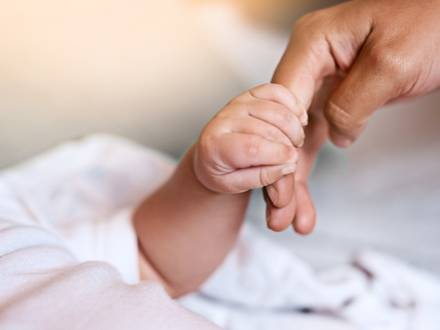 Complications at birth do not always involve visible damage. In addition to preventing physical injuries, doctors and nurses in the delivery room need to take care to avoid exposing a newborn baby to infections. If your child suffered an infection or sepsis as a result of a medical professional’s careless conduct, reach out to a Chicago, IL birth injury attorney today.
At Birth Injury Law Alliance, Ltd., we have the skills and legal knowledge to investigate acts of medical malpractice that affect babies and mothers. Attorney Allen Schwartz is highly experienced in birth injury claims, and he has successfully secured millions in payment for victims of birth injuries throughout the state.
What Kinds of Infections Can Infants Contract at Birth?
Infants can contract several kinds of infections at birth, either from the mother during labor or from the hospital after delivery. Some germs live in the birth canal, and a baby can pick them up while passing through it. Other germs move into the womb after the water breaks.
Group B strep (GBS) is one of the most common. Many healthy women carry this bacteria and never feel sick. A newborn exposed to it during delivery, however, can become very ill. E. coli is another leading cause of serious infection in newborns, especially in babies born early.
Viruses can also pass to a baby at birth. Herpes simplex virus can spread if the mother has an active outbreak during a vaginal delivery. Chlamydia and gonorrhea can cause eye infections and pneumonia. Listeria, which can come from certain foods during pregnancy, can also reach the baby.
Some infections start after delivery. A newborn can be exposed to germs through unclean hands, IV lines, breathing tubes, or other equipment. Babies in the neonatal intensive care unit (NICU) face a higher risk, as their immune systems are still weak.
What Is Sepsis, and How Does It Affect Infants?
Sepsis in infants is a life-threatening reaction to an infection. It happens when the body’s response to germs starts to harm its own organs and tissues. A newborn’s immune system is not fully developed. This makes it hard for a baby to fight off an infection before it spreads to the blood.
Doctors often divide newborn sepsis into two types. Early-onset sepsis shows up within the first 72 hours of life. It usually comes from germs passed during labor and delivery. Late-onset sepsis appears after the first few days and is often linked to germs in the hospital.
Signs of sepsis in a newborn can be easy to miss. A baby may have a fever or a body temperature that is too low. The baby may breathe fast, struggle to feed, seem very sleepy, or have pale or blotchy skin. Some babies have seizures or a slow heart rate. Sepsis can get worse within hours, so quick testing and antibiotics give a baby the best chance of recovery.
What Long-Term Effects Can an Infection Have on an Infant?
An infection in a newborn can cause long-term damage that lasts well beyond the hospital stay.
Meningitis is swelling of the tissue around the brain and spinal cord. It can develop when bacteria from an infection reach the brain. Meningitis can lead to brain damage, hearing loss, vision problems, and seizures. Some children develop cerebral palsy, which affects movement, balance, and muscle control.
Sepsis can also cut off blood flow and oxygen to the organs. A child may have lung damage, kidney problems, or slowed growth. Learning disabilities and developmental delays may not become clear until the child is older. In the worst cases, a newborn infection can be fatal.
When Is a Hospital Liable for an Infant Getting an Infection?
A hospital can be held liable for an infant getting an infection when its staff fails to meet the accepted standard of care. Not every infection is caused by a mistake. Still, many birth infections can be prevented or caught early with proper care.
Doctors are supposed to test pregnant women for GBS late in pregnancy. If the test is positive, the mother should receive IV antibiotics during labor. Skipping the test, losing the results, or failing to give antibiotics can put a baby at serious risk. A doctor should also consider a C-section when a mother has an active herpes outbreak. Other errors that can lead to liability include:
-
Missing signs of infection in the mother, such as a fever during labor
-
Failing to notice or act on warning signs in the newborn
-
Delaying blood tests, cultures, or antibiotics
-
Using unclean hands, equipment, or IV lines in the nursery or NICU
A hospital can be responsible for mistakes made by its nurses and other staff. In some cases, a doctor or outside medical group may also share the blame. Time limits apply to these claims. In Illinois, a medical malpractice claim for a child injured at birth generally must be filed within eight years of the injury (735 ILCS 5/13-212).
What Damages Can You Be Paid for in a 2026 Birth Injury Claim Involving an Infection?
A birth injury claim involving an infection can seek payment for the full harm the infection caused to the child and the family. The value of a claim depends on how severe the injury is and how long it will last, factoring in present and future losses.
Medical costs are often the largest part of these claims. They can include NICU stays, surgery, medicine, testing, and follow-up visits. A child with brain damage may need physical, speech, or occupational therapy for years. Some families also need wheelchairs, feeding tubes, or changes to their home.
Damages can also cover losses that are harder to put a number on. A child may lose the chance to earn a full living as an adult. The child may also live with pain, physical limits, and a reduced ability to enjoy life. Parents can seek payment for some of their own losses, such as time missed from work to care for their child.
If a newborn dies from an infection caused by medical errors, the family may have a wrongful death claim. These claims can cover funeral costs and the loss of the child’s love and companionship.
Contact Our Chicago, IL Birth Injury Attorneys
An infection at birth can change a family’s life within days. At Birth Injury Law Alliance, Ltd., we review medical records, test results, and hospital practices to learn whether your child’s infection should have been prevented or treated sooner. We work with medical professionals to show what went wrong and how it affected your child’s health. Contact our Cook County, IL infant injury lawyers or call 312-462-4200 to schedule a free consultation.

312-462-4200
60 W Randolph Street, Suite 400,
Chicago, IL 60601


Contact Our Firm
 The use of the Internet or this form for communication with the firm or any individual member of the firm does not establish an attorney-client relationship. Confidential or time-sensitive information should not be sent through this form.
I have read and understand the Disclaimer and Privacy Policy.